

Whether you’re a first-time buyer, a seller getting ready to list, or a homeowner who just wants a professional set of eyes on the property, your inspection with Lovell Home Inspections, LLC is designed to be thorough without being overwhelming. From your very first phone call, I walk you through what to expect so there are no surprises on the day of your inspection.
I follow the Standards of Practice set by InterNACHI and ASHI, two of the most recognized organizations in the home inspection industry. During your inspection, I examine the roof, structure, electrical system, plumbing, HVAC, and every major component that keeps a house running safely. If something needs attention, I’ll point it out in plain language instead of burying it in technical jargon.
Once your inspection wraps up, I’m happy to review my findings with you and your real estate agent on site. You’ll also receive a full digital report with photos and clear descriptions of everything I covered, giving you a visual record you can lean on long after your inspection is over.
Frequently Asked Questions
I take a close look at the home’s major systems and components during your inspection, including the roof, foundation, plumbing, electrical, HVAC, insulation, windows, doors, and more. Depending on the size of the property, most home inspections take between two and three hours to complete.
Clear access to attics, crawlspaces, electrical panels, and mechanical areas so nothing gets skipped. A little preparation before your inspection can make the whole day go faster for everyone. If you won’t be present, just make sure I can get inside and that pets are secured elsewhere.
Not exactly. A home inspection isn’t a pass or fail test, it’s an honest audit of the property’s condition. You’ll likely see some items noted on your report, but those are meant to inform your decision, not scare you off.
In most cases you’re not legally required to get one, but skipping it means you could end up owning a home with costly problems you never saw coming. A home inspection is one of the most affordable ways to protect a purchase that size.
I can point you toward the kind of repairs that may be needed and explain why they matter, but I don’t perform the repairs myself. That keeps things unbiased and leaves the choice of contractor entirely up to you.
It can. If I find something that needs attention, the buyer and seller may need to negotiate based on what turned up during your inspection. On the flip side, a clean report can give everyone extra confidence to move forward quickly.
5 Benefits of a Home Inspection

Leverages Negotiations
Buyers can use the inspection report to negotiate a better price or ask for repairs, while sellers can choose to address issues before listing to justify their asking price.

Ensures Your Safety
A home inspection evaluates critical safety concerns such as electrical hazards, carbon monoxide risks, mold, and structural integrity.

Prepares You For the Future
I can point out components near the end of their lifespan (such as HVAC systems or water heaters) so you can budget accordingly.

Garners Trust
Sellers who conduct pre-listing inspections can show transparency and build buyer trust, potentially leading to quicker offers and smoother negotiations.

Grants Peace of Mind
Knowing the condition of the home helps you feel confident in your purchase or sale and reduces surprises after the transaction.
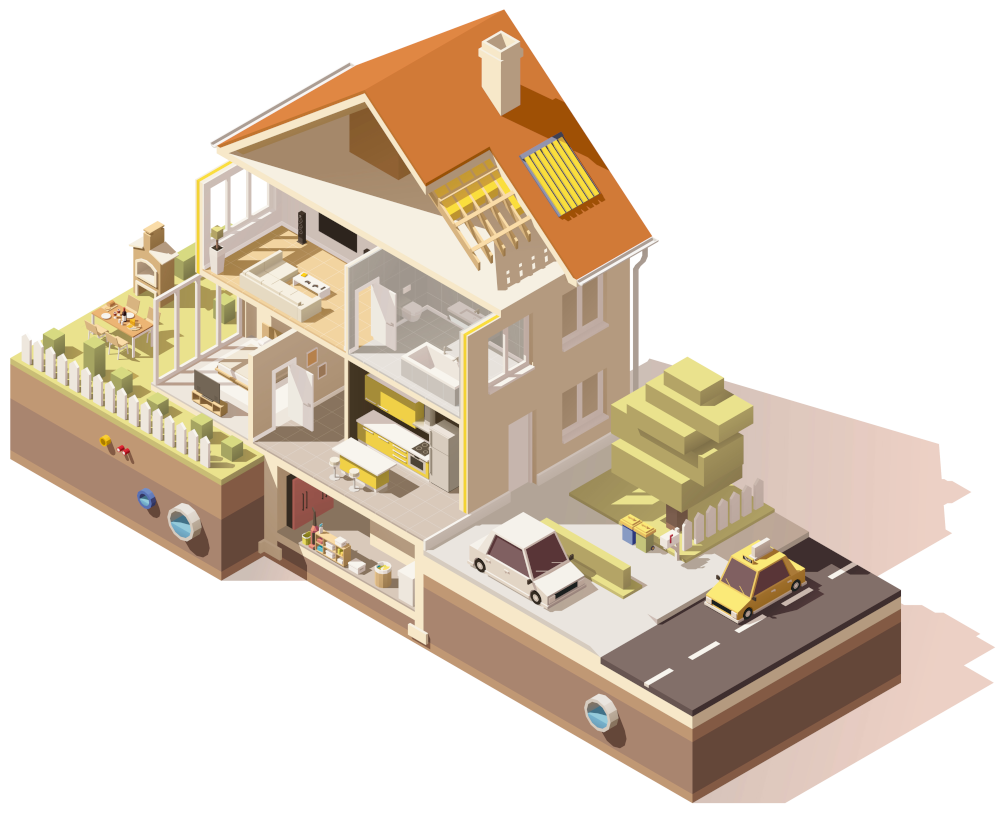
What's Included in a Home Inspection?

Roof
Roof coverings, gutters, downspouts, vents, flashing, skylights, chimney, roof penetrations and the general structure of the roof.
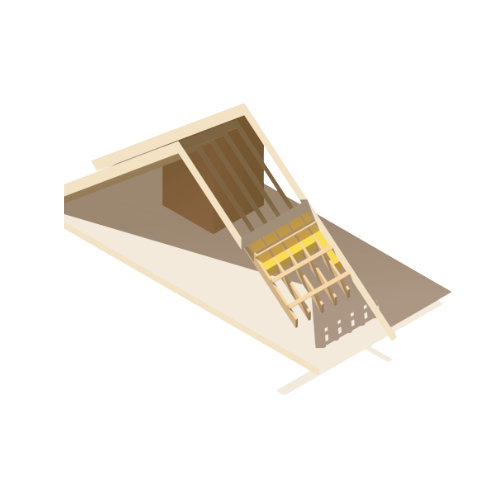
Attic, Insulation, Ventilation
Insulation and ventilation of unfinished spaces, including attics, crawl spaces, foundation areas and exhaust systems.
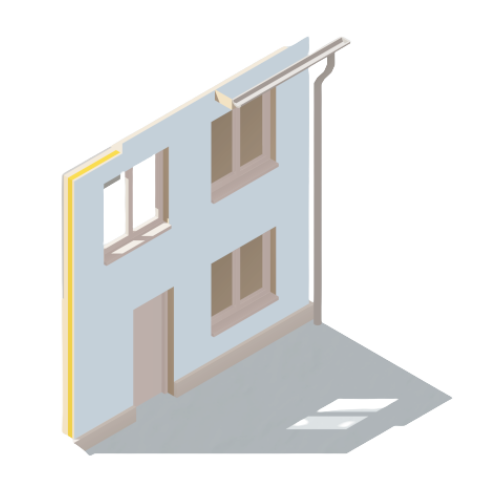
Exterior
Siding, windows, exterior doors, flashing & trim, walkways, driveways, stairs, patios & decks, and drainage.
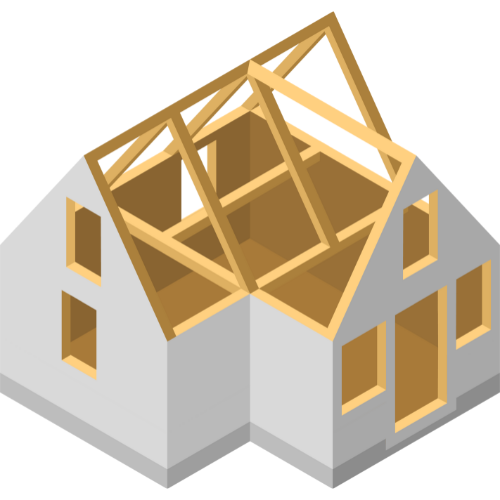
Basement, Foundation, Crawlspace, Structure
Foundation movement, cracks, structural concerns, and indication of water penetration.
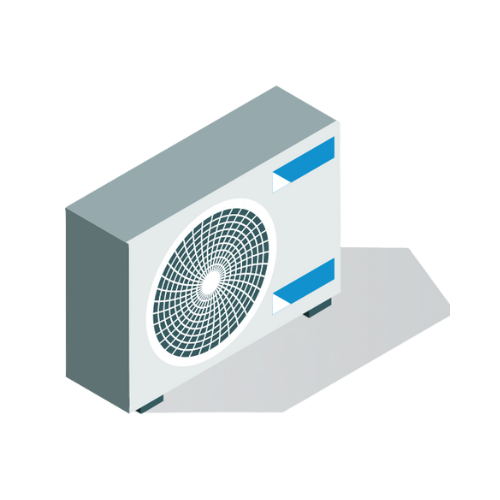
Cooling
Cooling system, location of thermostat, energy source and cooling method.
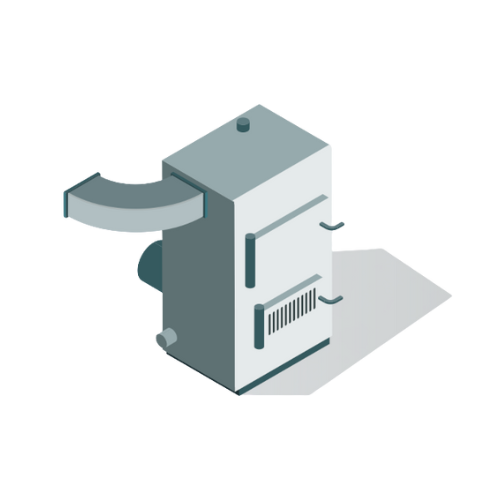
Heating
Heating system, location of thermostat, energy source and heating method.
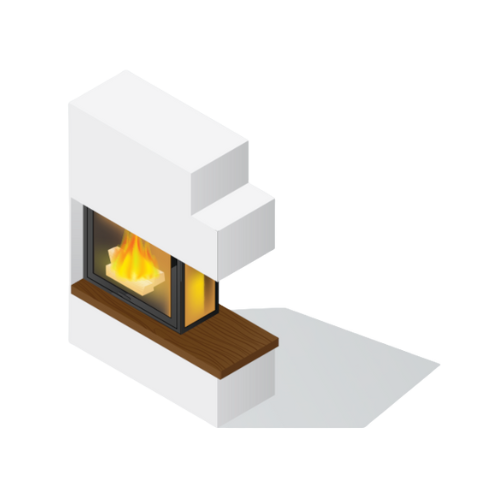
Fireplace
Visible portions of the fireplace & chimneys, lintels, damper doors, and cleanout doors & frames.
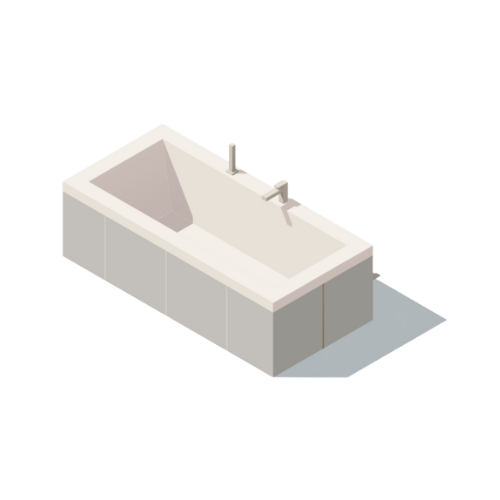
Plumbing
Main water & fuel supply shut-off valves, water heater, interior water supply, toilets, sinks, tubs, showers, drain, waste and vent systems.
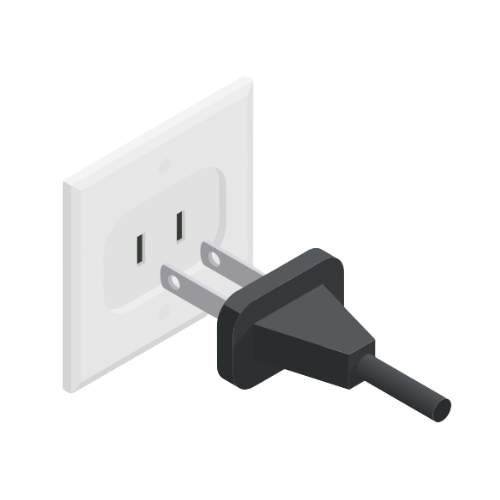
Electrical
Service drop, overhead service conductors, service head & mast, main service disconnect, panelboards, grounding, switches, light fixtures, receptacles deemed to be AFCI & GFCI, and the presence of smoke alarms & carbon monoxide detectors.
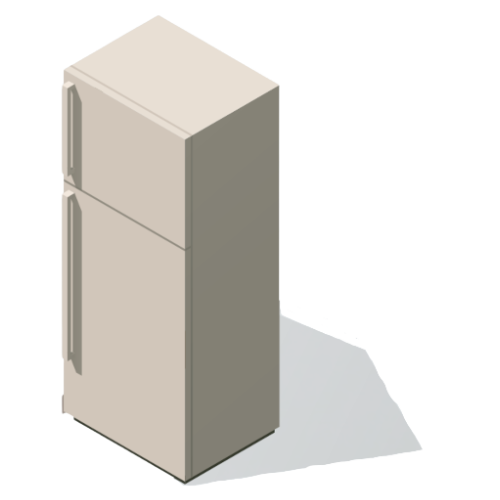
Appliances
Dishwasher, disposal, range, oven, microwave, refrigerator, exhaust, bathroom heater, garage door, doorbell, and dryer vent
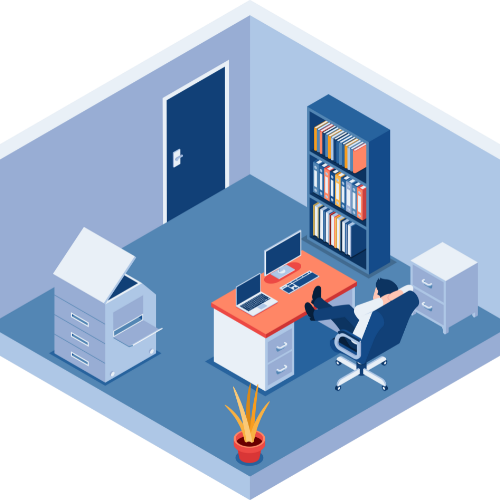
Doors, Windows, Interior
Representative number of doors & windows, floors, walls, ceilings, stairs, railings, garage door and openers.